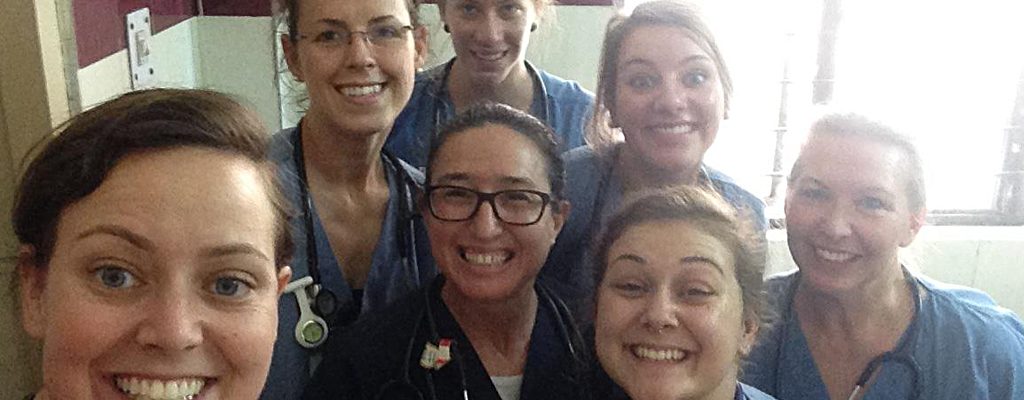

We are two weeks into outreach in India, and we’ve spent five days in the labour wards of two different government hospitals here in Hyderabad. I’ve witnessed and assisted in my first deliveries since PA school (over 11 years ago for OB). I’ve seen rapid multiparous deliveries, several first-time mums being augmented through their labours and given huge episiotomies to expedite the delivery (as two or three other mums sat on mats on the floor waiting for a bed to open). I’ve assisted two women who ended in obstructed labors going to theatre for caesarean, a 30-week gestation premie who lived with minimal intervention, severe pre-eclampsia, macerated stillbirth, induced abortions, intrauterine demise leading to shock in one patient (where we were able to intervene), and death just prior to our arrival in another. I’ve seen breech delivery, direct posterior delivery, forceps delivery, and by-the-book normal deliveries. I’ve stimulated babies to breathe their first breaths of air, conducted newborn examinations, been the living monitor on infants in their first hours of life, instructed in first-time breastfeeding, prayed over many infants, mums, and families, and congratulated families with hearty welcomes for their baby girls (there is still significant desire for boy babies over girls in many cases). Thus ends week one.
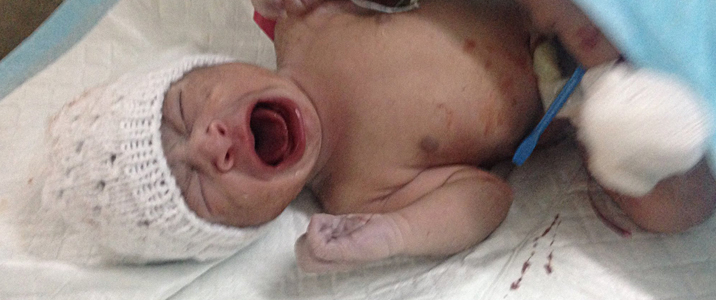
My first day I encountered more death than life in the labour ward; it felt like a crazy ER shift and took some decompressing when I got home. Day 2 seemed “routine” enough for what I was expecting, and redeemed a bit of my anticipation for what these weeks will be like. Day 3 was bathed in a supernatural peace, and was a joy to experience and assist in the natural labours of several women. Day 4 was solid and steady. Day 5 was overload (7 deliveries in our 5-hour shift)!
I’m still amazed at the process of labour and delivery. I am still amazed at the profundity of these moments in life: here, fear of the unknown and witnessing of the appalling join unavoidable and inextinguishable pain. Moments where women feel they can’t go forward but nature says that they certainly can’t go back; where they know everything is at stake and there is nothing to do but proceed. These labour rooms and the local practice of obstetrical medicine in them are foreign feeling to me, but I am so thankful for these hospitals. I am so thankful for the students, interns, residents, nurses, and “aimas” who spend their days and nights there, who keep up and run the room in all its chaos. I can only imagine the millions of women labouring at home or in remote villages with uneducated birth attendants, no available interventions, and even higher risks to face (anemia, infection, obstruction, etc). So here we are, training, to be ready.
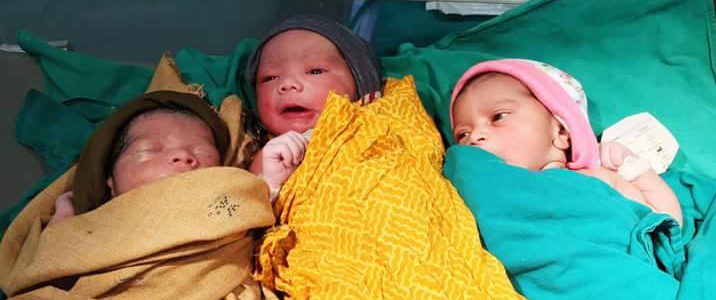
And still I am amazed at the relief of delivery and the abundance of new life. Mums’ faces turn from agony and desperation to peace and joy in a matter of moments. Their “No, please” groans become glowing “thank yous”, even as they have to wait hours sometimes to hold their newborns. They have lived, and so have their babies.
I’m more aware than ever of having had the privilege of experiencing pregnancy and birth where I did. The statistics are taking on faces for me: the 830 women who die daily due to complications in pregnancy or childbirth. They are deaths vastly preventable. They are deaths that fragment families, communities, and nations. This is a scourge that has taken me far too long to really recognize. I have no delusions of grandeur that I can save the world; it’s not my job, and is ridiculously far beyond my capabilities. While, as with engaging the orphan crisis in the world, I can feel so much like a miniscule drop in the ocean, I know I can do something, and God has allowed me to do it today. So I will.
